Collectio
A Panaji waste system that holds uncertain sorting decisions instead of guessing.
- Role Designer and engineer
- Client Goa Waste Management
- Year 2019 to 2026
- Role: Designer and engineer
- Client: Goa Waste Management
- Year: 2019 to 2026
Project highlights
72.1%
in the lab, on unseen photographs
29%
on a raw crop off a real belt
0
wrong dispatches, 8 of 23 held
A municipal waste system for Panaji: a driver's route, a sorting camera running a network I trained from scratch, and a ward queue that holds what the model cannot vouch for.
AI · Civic systemsDesigner and engineer · Goa Waste Management
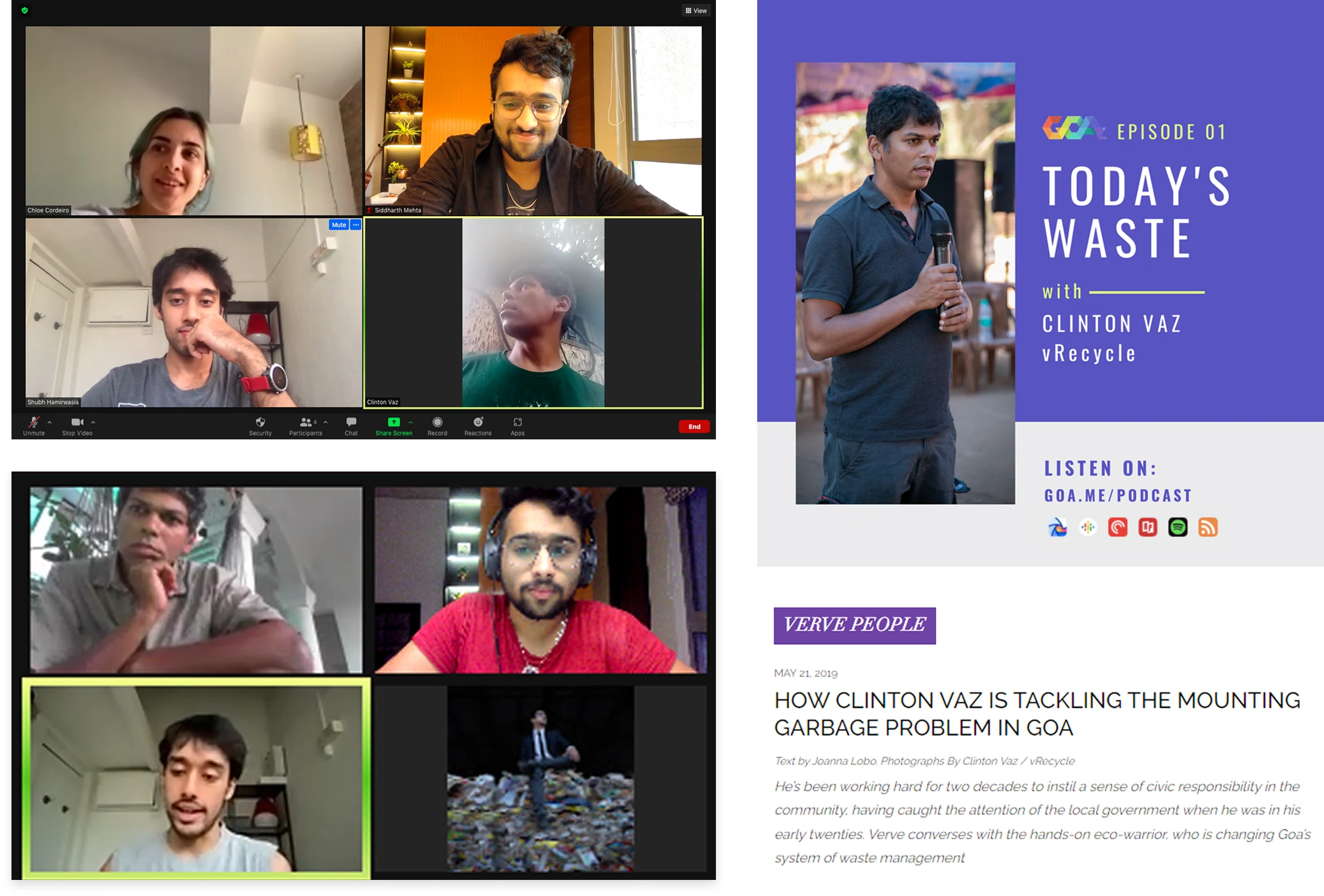
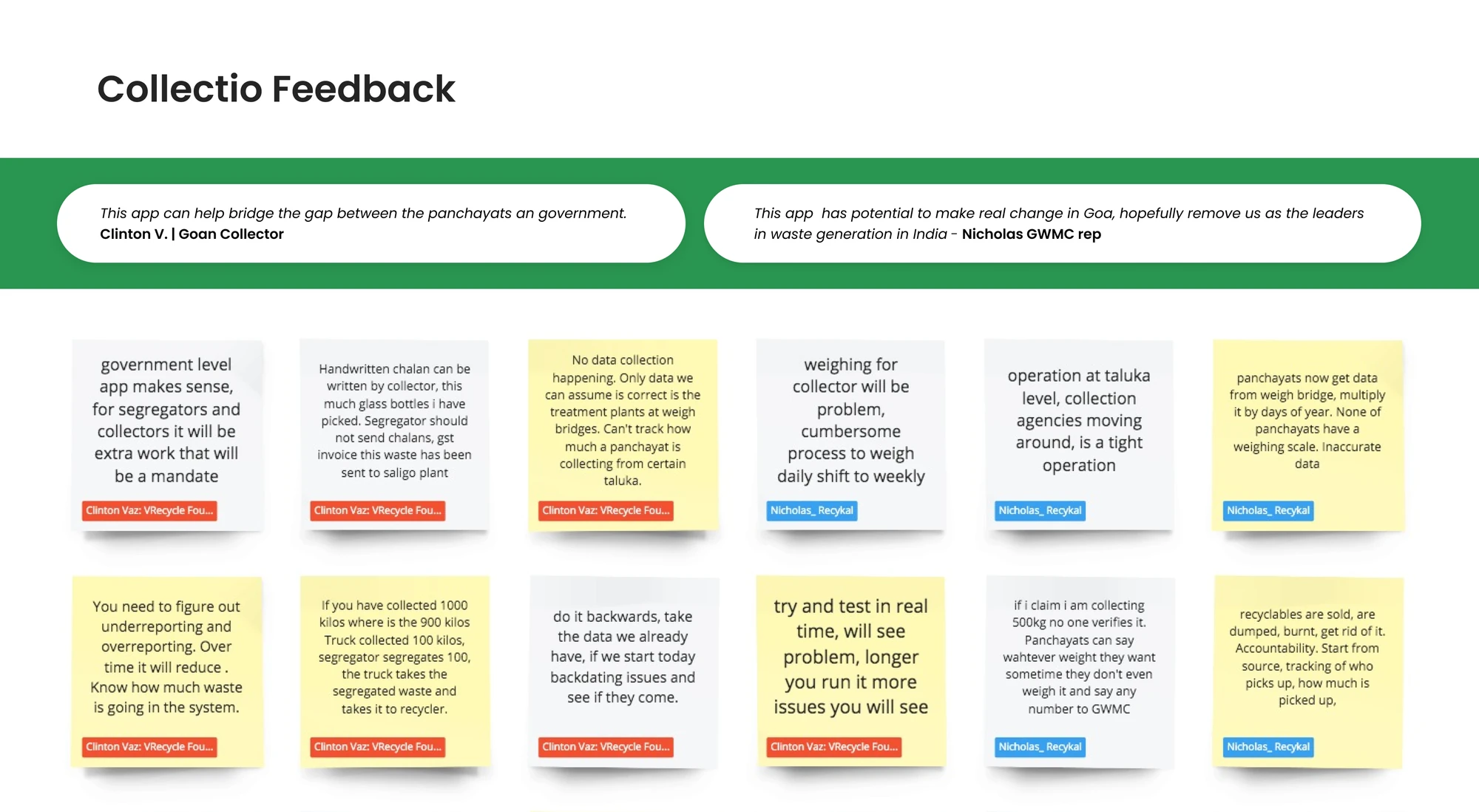
Clinton Vaz runs vRecycle, a waste collector in Goa. We spoke about what collection actually looks like on the ground.
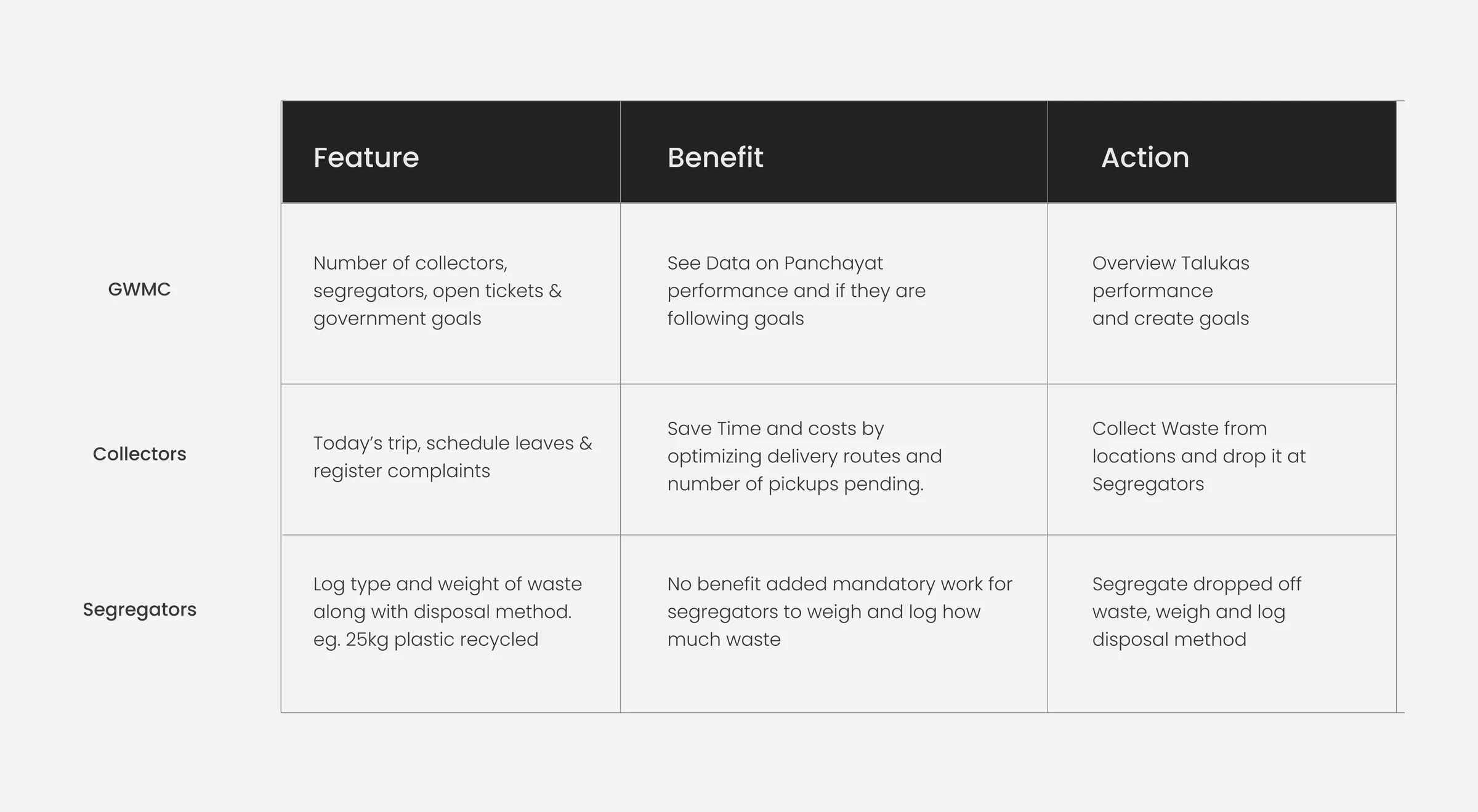
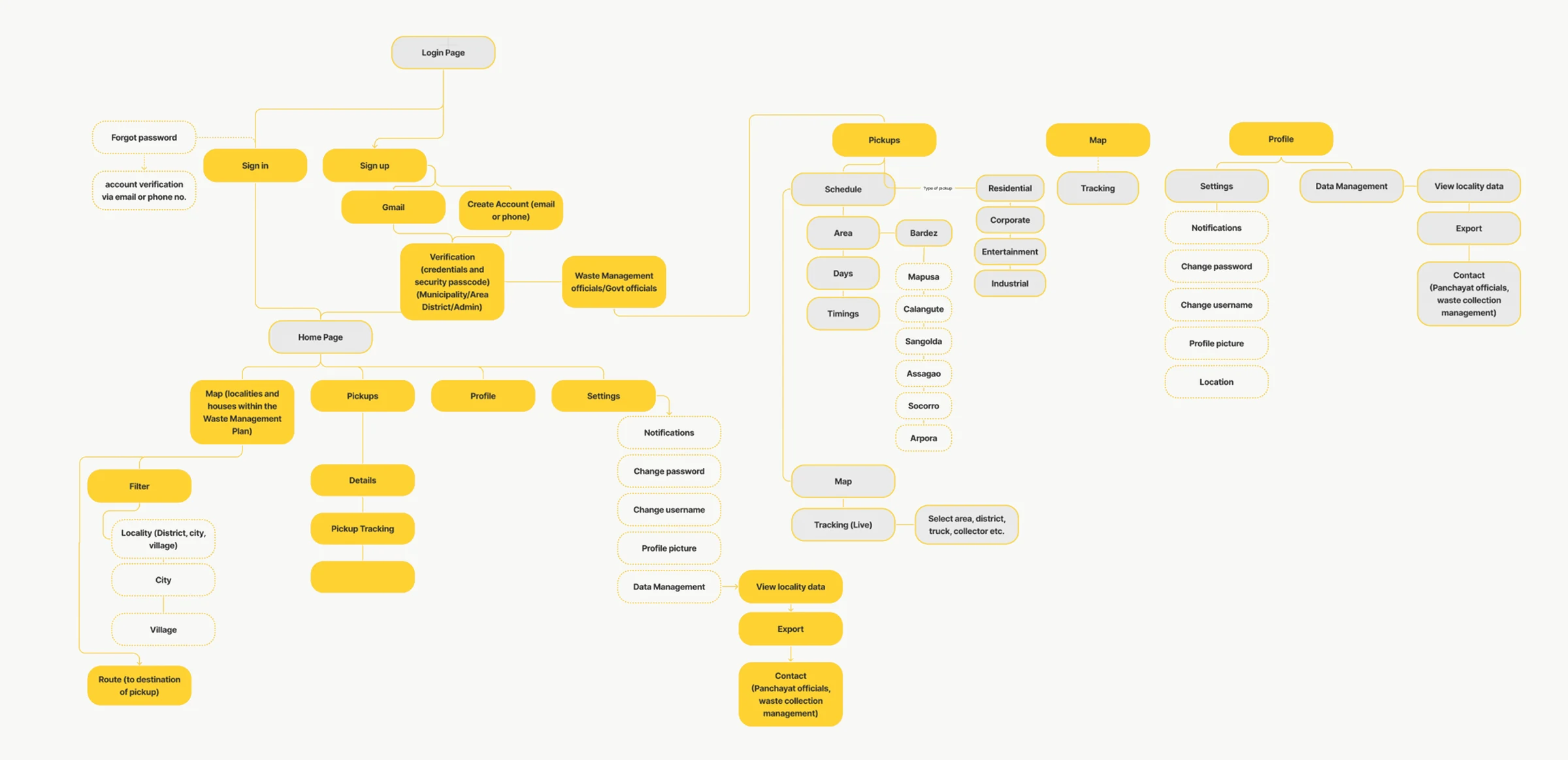
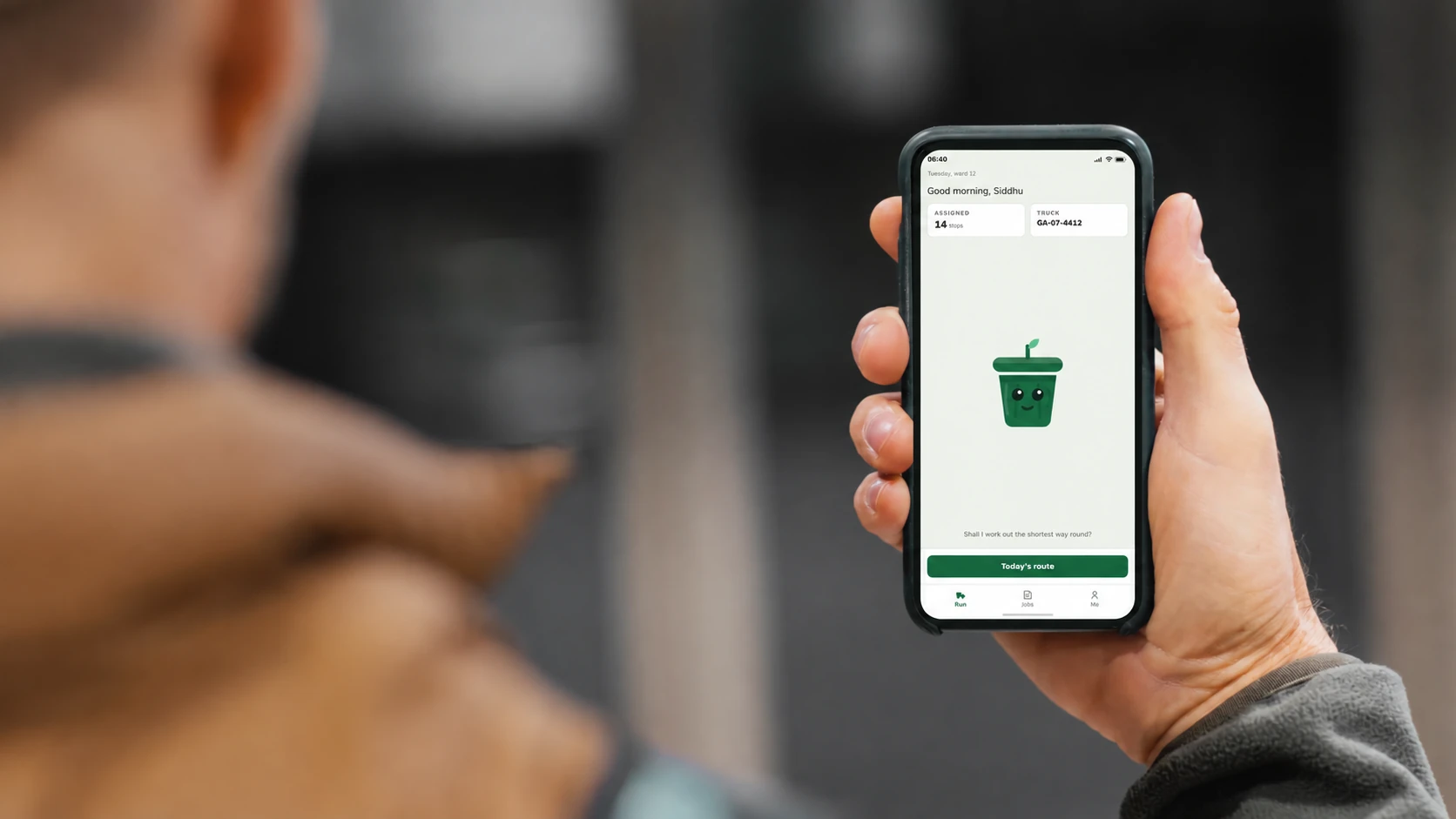
The collector's day: confirm a pickup, report an issue, weigh the load, sign off. Nothing typed twice.
A six category classifier, 95,006 parameters, trained from scratch in PyTorch on TrashNet.
Same model, real conveyor footage. Studio photographs are not what a truck sees.
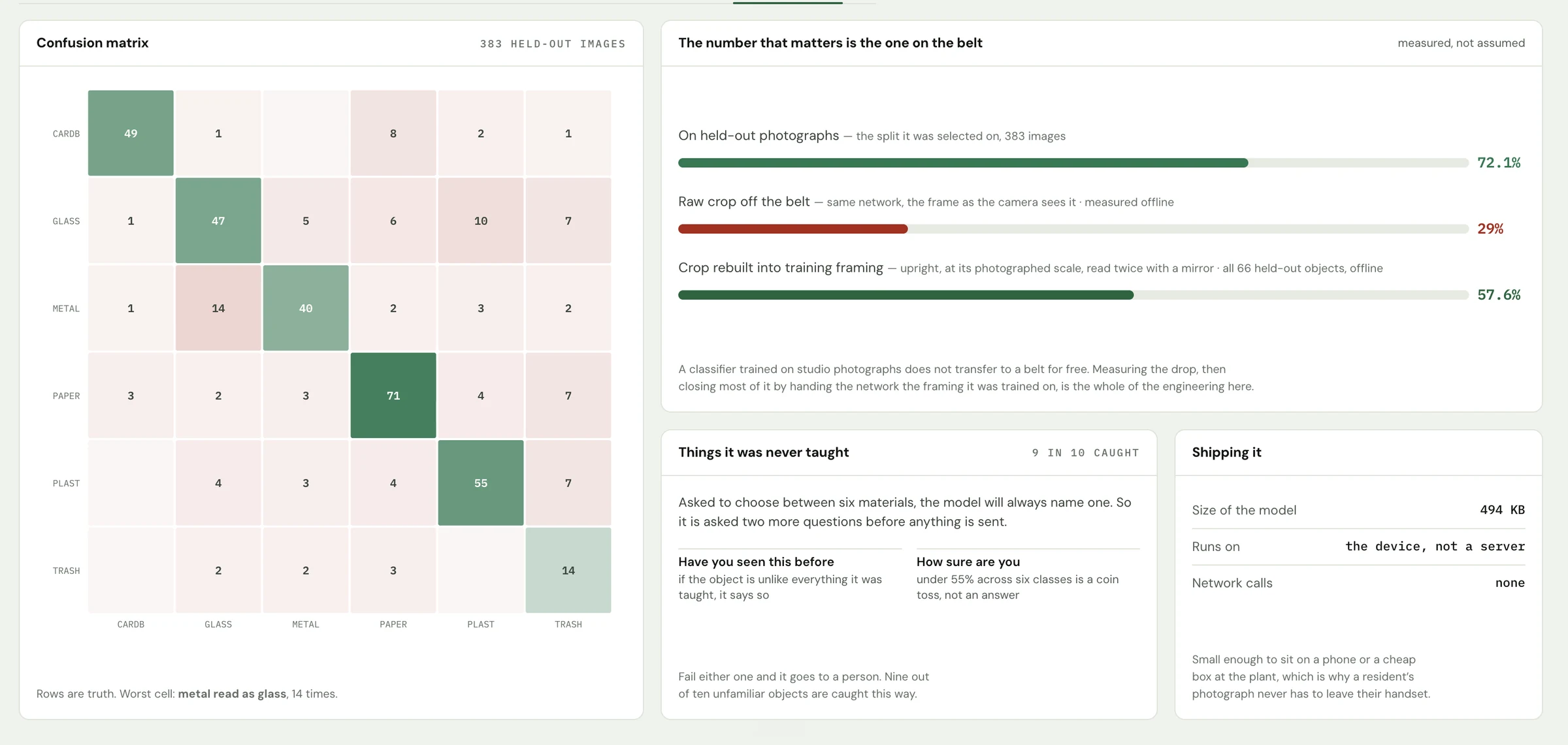
Below 55% confidence it stops guessing and asks a person.
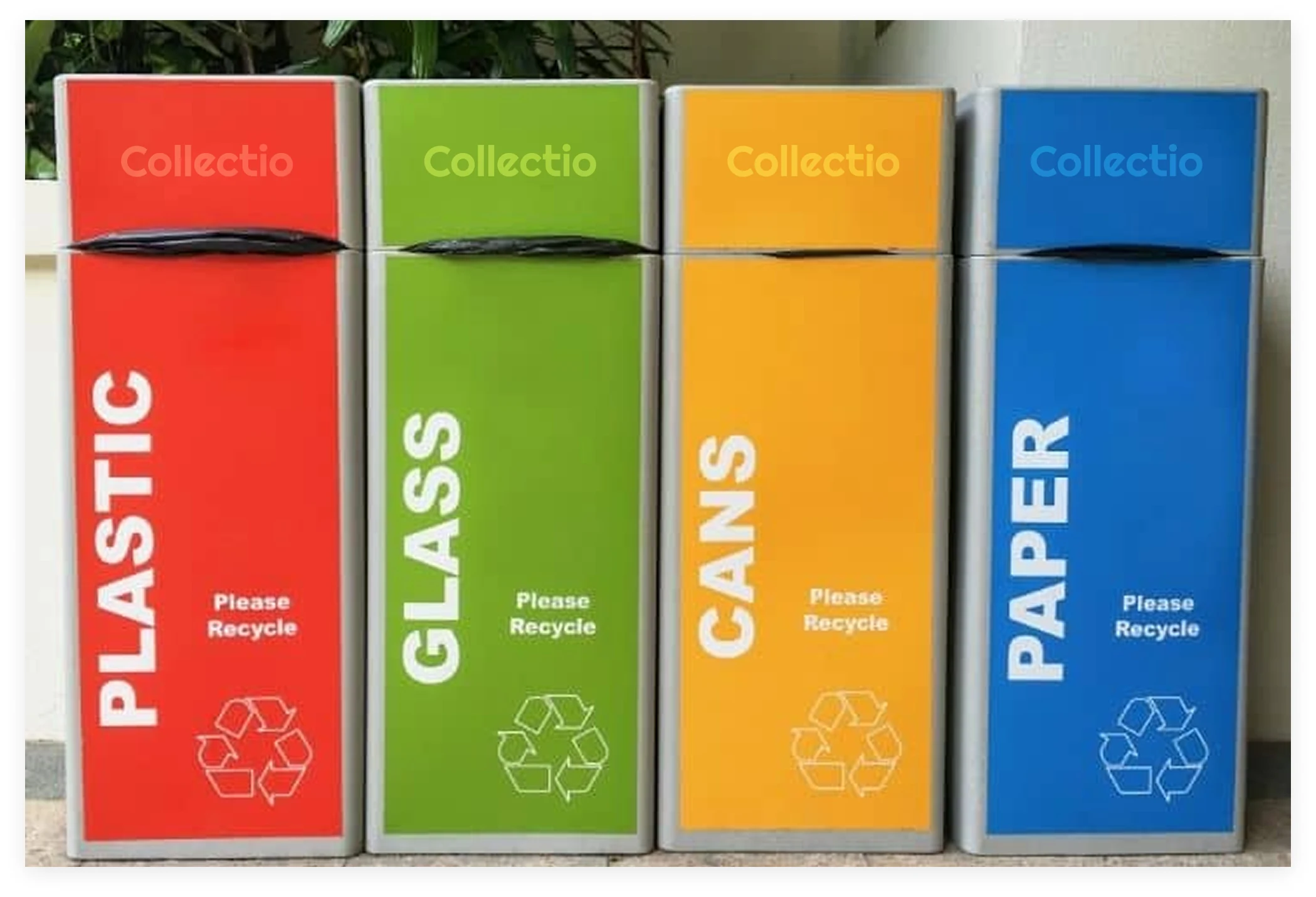
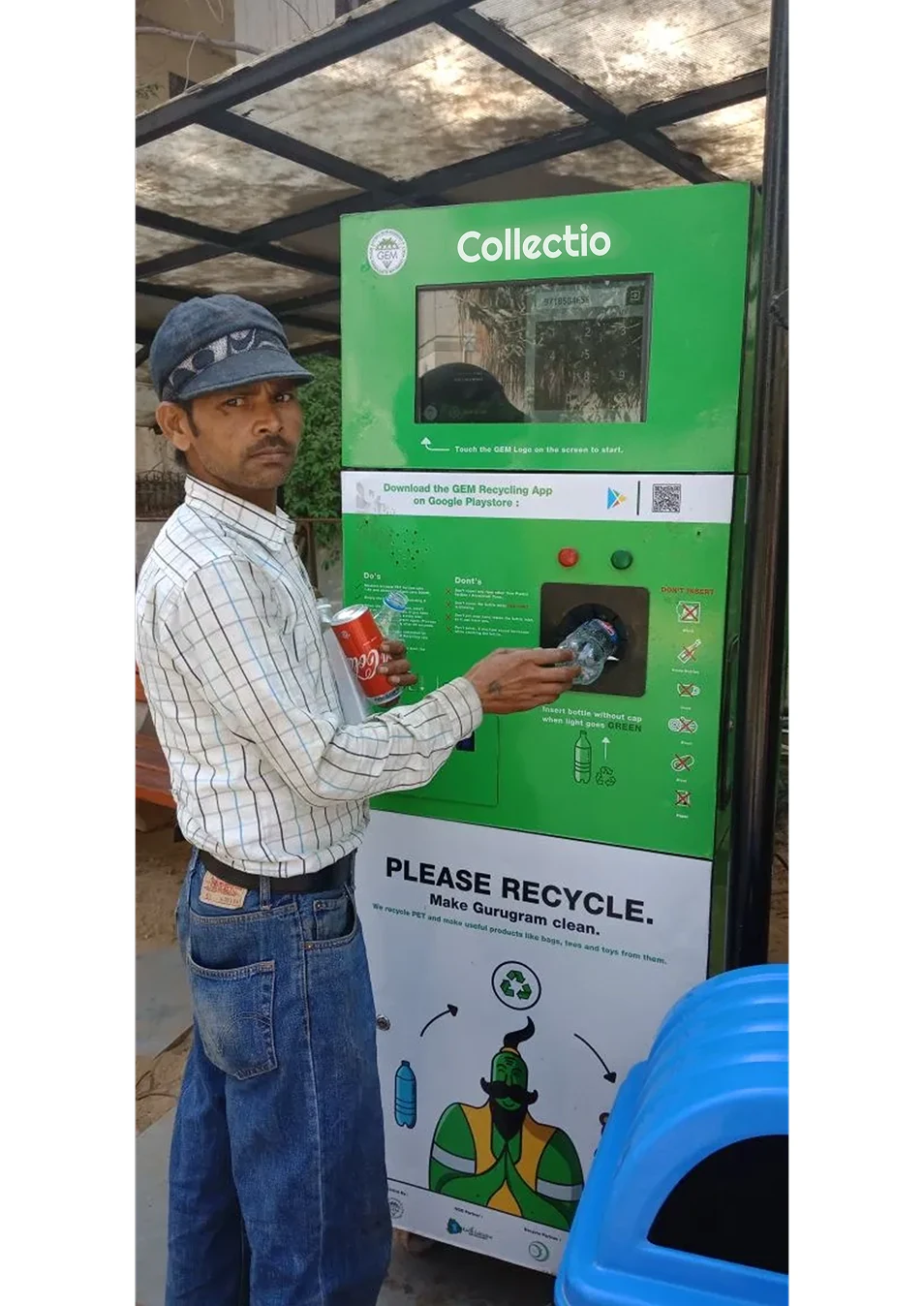
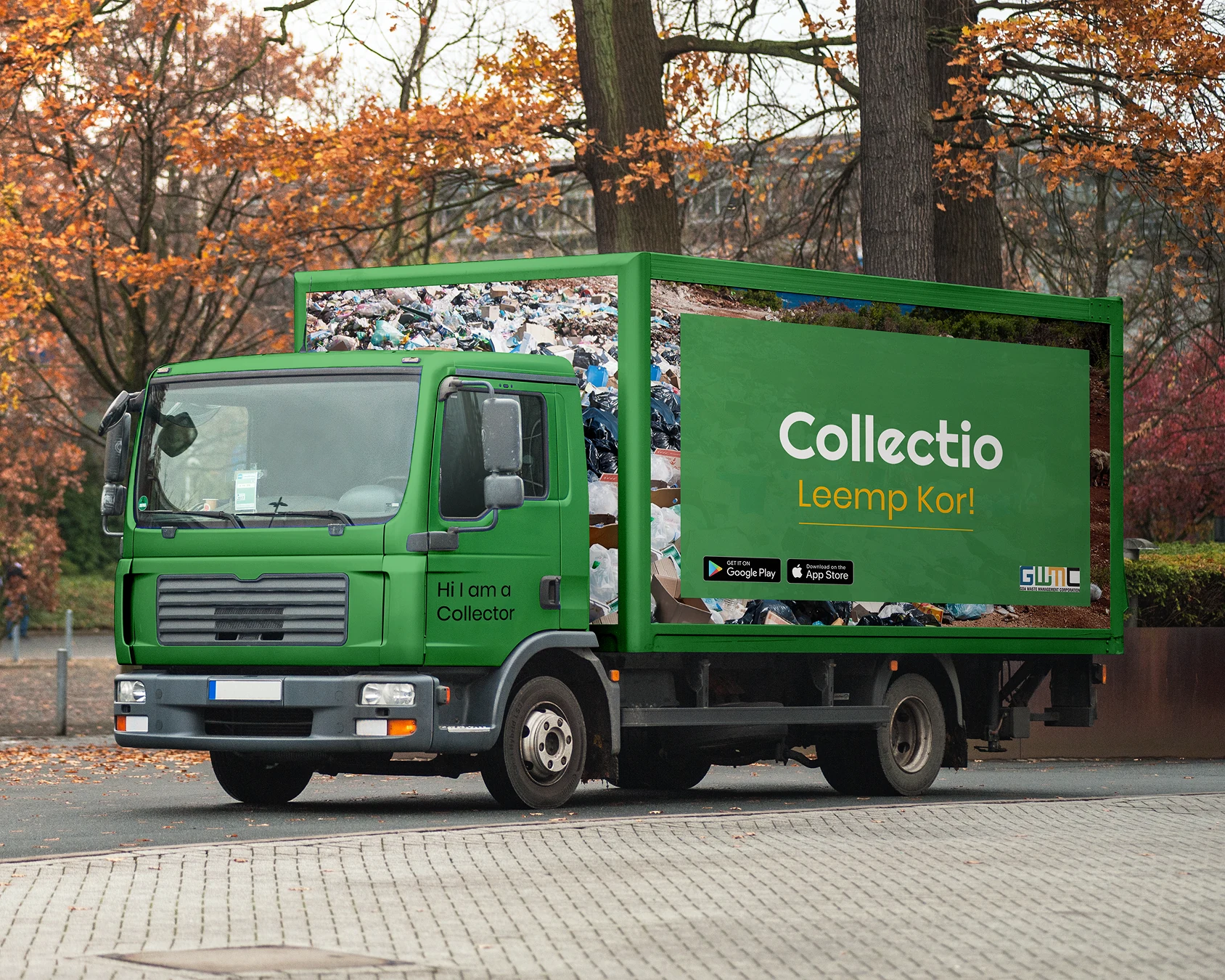
The brand, on the street: bins, a kiosk, a truck.
Back to top↑72% is not a good number. That is why the product is built around abstention. A softmax always answers. The product should not. Before anything is sent, the belt asks two more questions, have you seen this before and how sure are you, and fails either one to a person. What is still wrong is named openly. The belt footage is generated reference footage; the tracking and every classification on it are real, but a real camera will bring dirt, glare and overlap the training set never saw. The next version starts with the belt, not the lab.
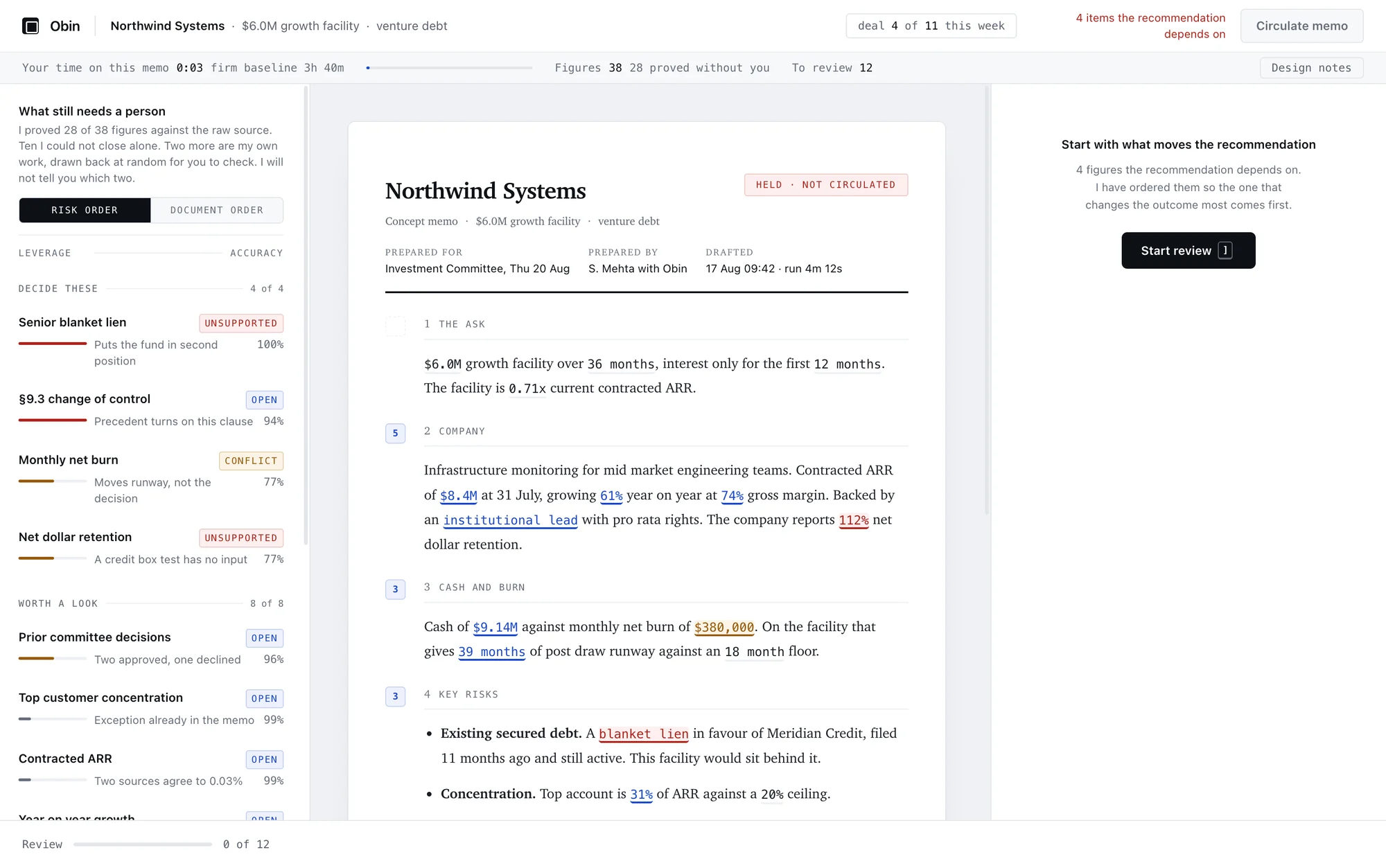 Next project Obin→ An agent writes the memo. A person checks the numbers. Back to top↑