
Encoded
Project details
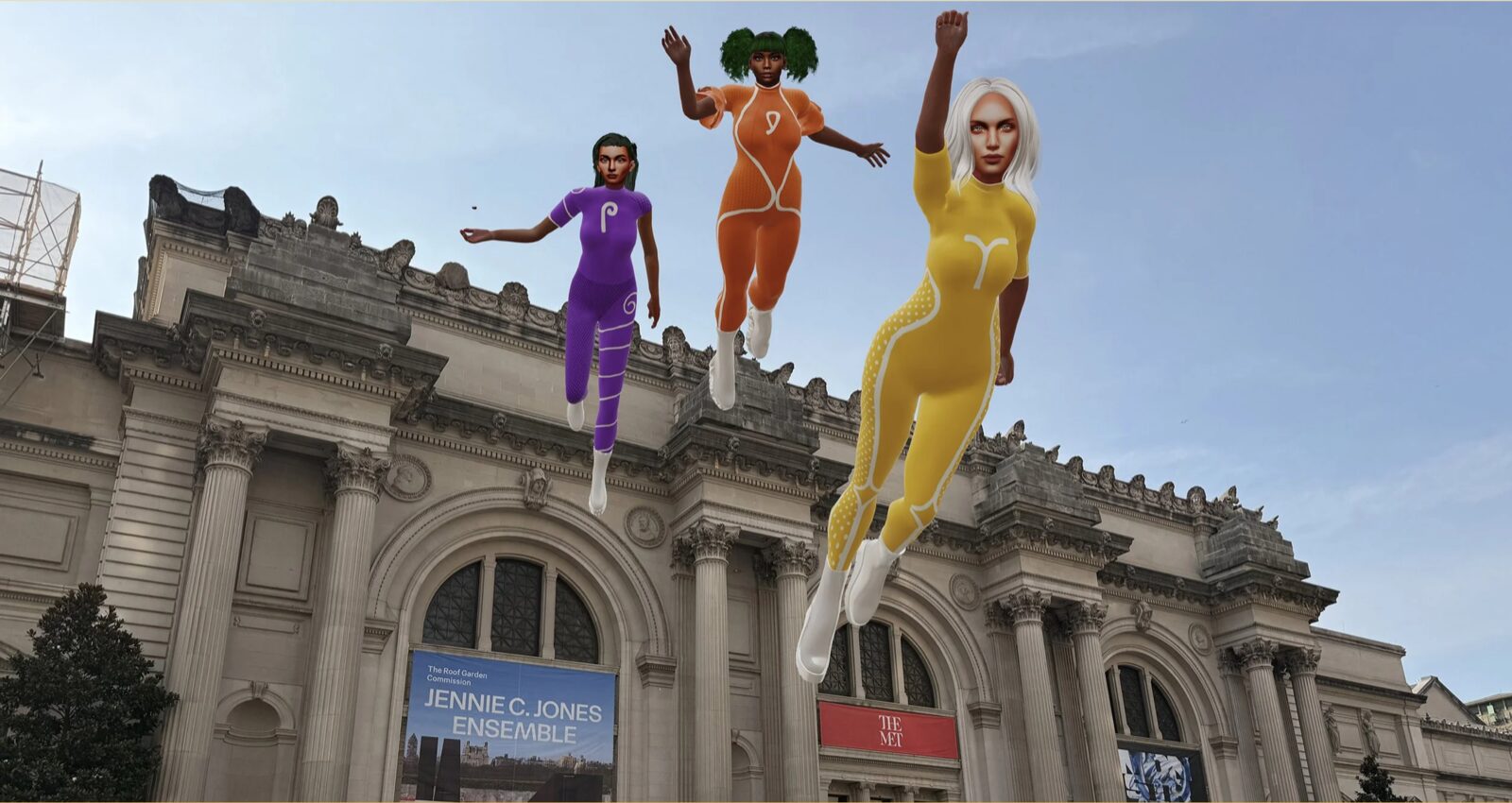
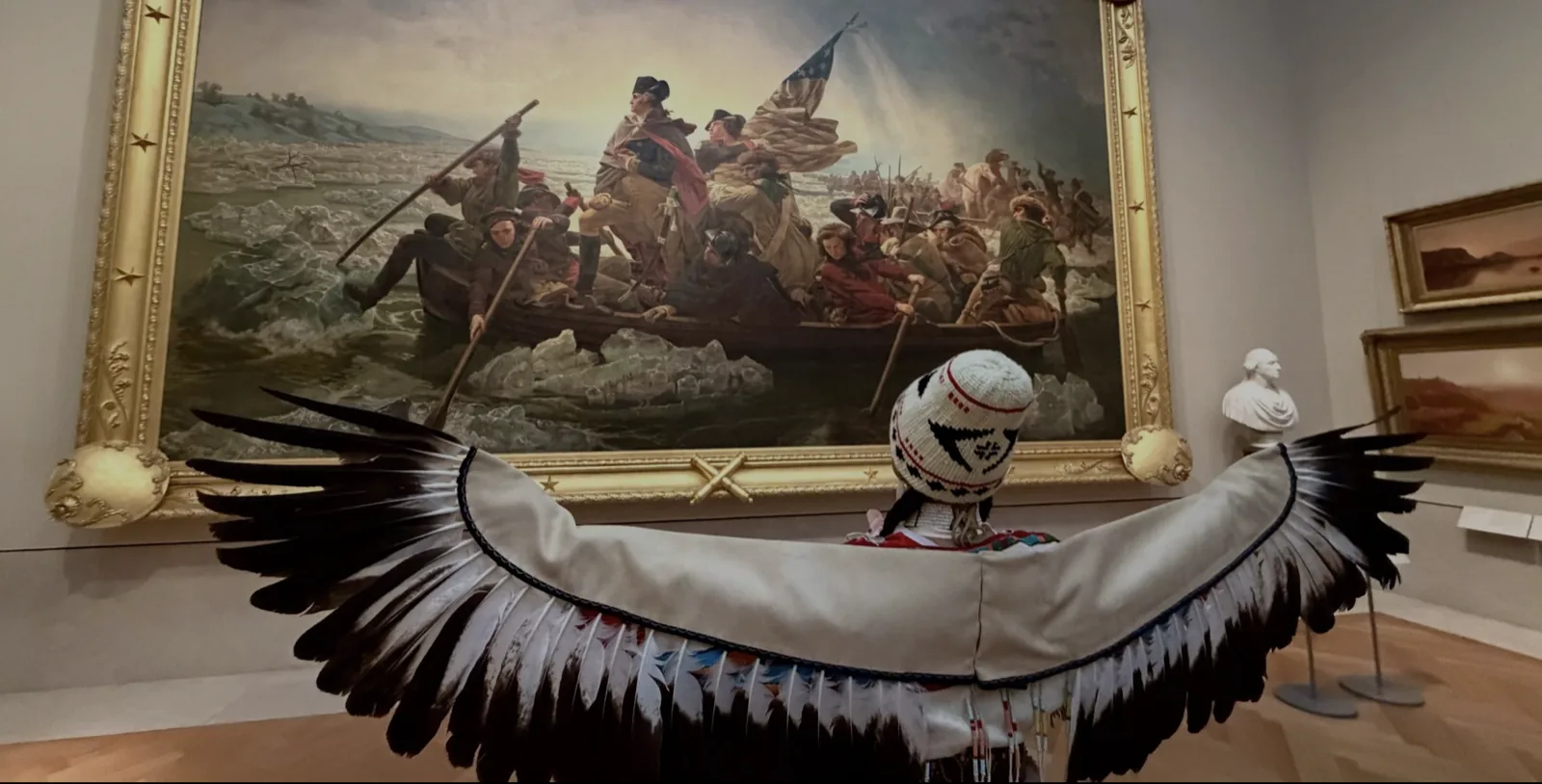
Built the on-site capture and location-based AR pipeline that activated 25 American Wing artworks through contemporary Indigenous perspectives and reached more than 2,000 visitors.
Project highlights
25
artworks activated
2,000+
visitor activations
2×
Webby Awards
Design decisions
The calls that shaped this project: what I chose, why, and what each choice cost.
-
Captured 25 artworks on a phone instead of bringing production gear into the museum
The exhibition was unsanctioned. Anything that read as a production setup (a rig, lighting, a tripod) would have ended the project on the first day. A phone in a gallery is invisible. The entire capture pipeline was designed around what one person can do while looking like an ordinary visitor.
TradeoffScan quality was hostage to gallery lighting and to how long I could circle an object without drawing attention. Several pieces took four or five attempts, and a few in the darker rooms never reached a mesh I was willing to ship.
-
Anchored to Niantic Lightship VPS rather than to markers or GPS
The overlays had to sit registered to the actual artwork, inside a building where GPS is useless and where you cannot attach a marker to a wall. Visual positioning localises against the space itself, which was the only method that left no physical trace in a place we had no permission to alter.
TradeoffIt made the work dependent on a third-party localisation service and on visitors carrying a compatible device. Where the VPS map was thin the content drifted, and there is no graceful degradation: it either localises or it does not.
-
Let the artists' interpretations lead and kept the AR craft quiet
The reflex in AR is to prove the technology. Here the technology was a delivery mechanism for someone else's reading of a museum object, and any effect that pulled attention toward the rendering pulled it away from the argument. Transitions are slow, there are no particles, and nothing floats that does not need to.
TradeoffIt reads as less impressive in a thirty-second clip. The work is legible in the room and undersells itself in a reel, which is a real cost for a project whose reach depends on travelling as video.
Webby Winner · 2026
Best Use of Augmented Reality
Apps, Software & Immersive
Webby Winner · 2026
Best Community Engagement
Apps, Software & Immersive
Scanning in the American Wing.
Pipeline and spatial alignment.
AR activation over physical artworks.
Featured Artists
Amelia Winger-Bearskin · Bear Fox · Bird x Bird · Cannupa Hanska Luger · Cass Gardiner · Demian DinéYazhi´ · Lite Brite Neon · Flechas · Jarrette Werk · Jeremy Dennis · Josué Rivas · Katsitsionni Fox · Lokotah Sanborn · Mali Obomsawin · Mer Young · Nicholas Galanin · Priscilla Dobler Dzul · Skawennati
Exhibition promo.
Stuart Campbell
Founder: EyeJackSiddharth took ownership of on-site 3D scanning and spatial deployment for Encoded at the Metropolitan Museum of Art. He handled the full pipeline from Polycam capture to Niantic Lightship integration, remaining persistent through unstable uploads and inconsistent scans. His ability to work discreetly within the museum, collaborate across LA and Melbourne, and contribute beyond his core scope made him a strong and dependable part of the team.